
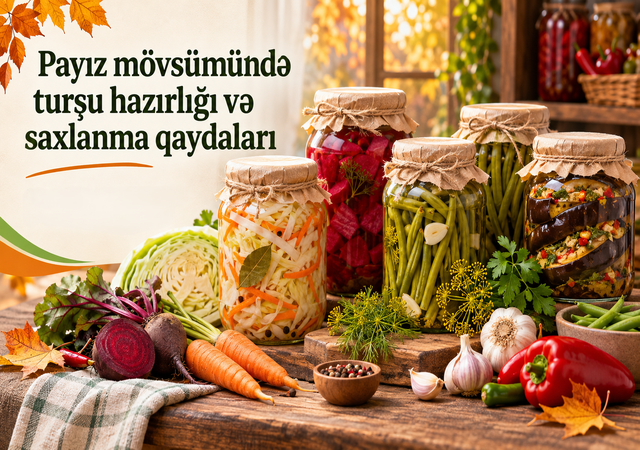
One of the traditional ways to prepare for winter is making pickles. With their variety of flavours and colours, pickles have long held a special place on our tables and are often served as appetisers alongside various dishes.
Choosing the right vegetables, selecting the preparation method and ensuring proper storage conditions all play an important role in making pickles. So, what should you keep in mind when preparing pickles? Let’s take a closer look.
Vegetables Used for Making Pickles
Various vegetables can be used to make pickles. Each adds its own distinctive flavour, colour and texture to the final product. Vegetables can be pickled individually or combined with several different varieties.
Pickled Cabbage
Pickled cabbage can be prepared on its own or combined with carrots and other vegetables. Depending on the preferred preparation method, cabbage can be finely shredded or used in whole leaves. Cabbage is also one of the most commonly used vegetables for fermentation.
Pickled Beetroot
Pickled beetroot stands out for its vibrant colour and distinctive flavour. It is prepared using sliced or chopped beetroot. When combined with cabbage and other vegetables, beetroot also adds colour to the pickled vegetable mixture.
Pickled Green Beans
Green beans are among the vegetables commonly used for pickling. They are usually trimmed at the ends, cut into suitable pieces and then placed in jars. When prepared with garlic and various spices, pickled green beans develop a richer flavour.
Pickled Eggplant
Pickled eggplant is known for its variety of preparation methods. Whole or sliced eggplants can be used, while garlic, fresh herbs and spices are commonly chosen for the filling. This pickle can be served on its own or as an accompaniment to various dishes.
How Are Pickles Made?
Vegetables are generally pickled using two main methods: adding vinegar or natural fermentation. Each method has its own characteristics.
Vinegar Pickling Method
With this method, vegetables are first cleaned, cut into pieces and placed in glass jars. A brine made from water, vinegar, salt and spices of your choice is then poured over the vegetables. Vinegar gives pickles their characteristic tangy flavour.
Natural Fermentation Method
With this method, vegetables are first thoroughly washed and either chopped or left whole. They are then placed in clean jars and covered with enough brine to fully submerge them. Some vegetables, such as cabbage, are shredded, rubbed with salt and left to rest for a while to release their natural juices.
The jars are kept at a suitable temperature for fermentation, for a period determined by the type of vegetable and the recipe. During this process, the natural sugars in the vegetables are converted into lactic acid through the activity of lactic acid bacteria. As a result, the pickles develop their distinctive flavour and aroma.
When preparing pickles through fermentation, it is important to use the correct amount of salt, maintain an appropriate temperature, ensure that the containers are clean and keep the vegetables fully submerged in the brine.
How to Store Pickles
Unopened jars of pickles should be stored in a cool, dry place away from direct sunlight. Once opened, the jars should be kept in the refrigerator and tightly sealed after each use. It is recommended to use clean utensils, such as a spoon or fork, when taking pickles out of the jar and to ensure that the vegetables remain submerged in the brine as much as possible. The shelf life may vary depending on the pickling method and the recipe used.
The Place of Pickles on Our Tables
Pickles are often served alongside meat dishes, pilaf, potato-based meals and other dishes. At “Araz”, you can choose fresh, high-quality vegetables grown in our homeland and prepare homemade pickles to suit your taste. You can also use your homemade pickles as ingredients in sandwiches, salads and various appetisers. Made from different vegetables, pickles add a variety of flavours and colours, bringing an extra touch of taste to everyday meals.


